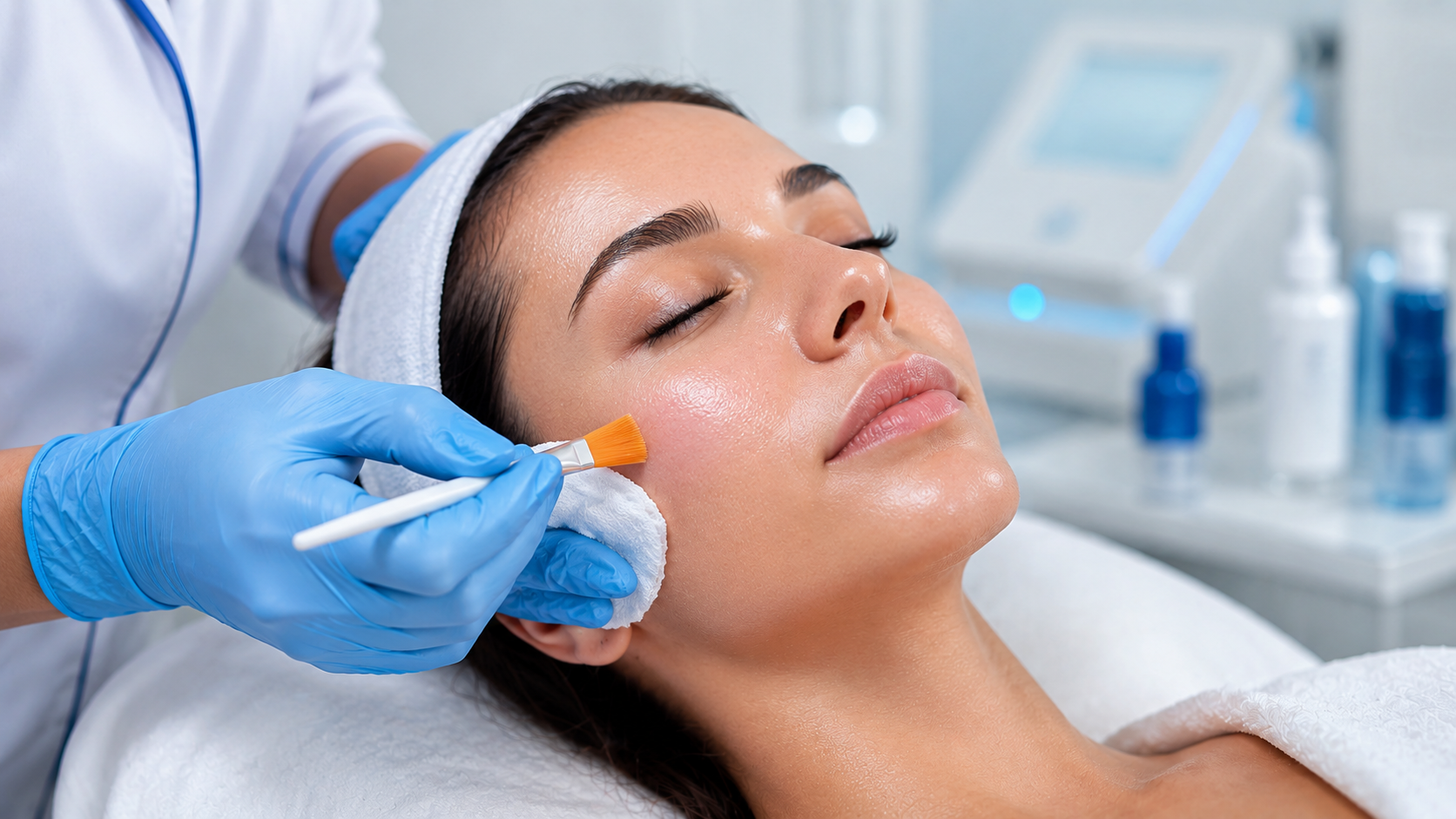
PRX facial treatment is a non-invasive biorevitalization procedure that uses a unique formula to stimulate collagen production and renew the skin without causing visible peeling. Unlike traditional chemical peels, PRX facial treatment works at a deeper level while keeping the surface of the skin intact, making it suitable for people who want noticeable results with little to no downtime.This treatment has become popular for addressing dull skin, fine lines, acne scars, and uneven texture, all without the redness and flaking commonly associated with stronger peels. It is widely considered one of the gentler options within modern skin rejuvenation treatment, appealing to people who want consistent improvement without disrupting their daily routine.
How Does PRX Facial Treatment Work?
Understanding how PRX facial treatment works helps explain why it produces such different results compared to traditional peels. The treatment relies on a specific formula that interacts with the deeper layers of the skin, triggering a natural regenerative response rather than simply removing surface cells.
Understanding PRX-T33 Formula and Ingredients
The PRX-T33 treatment is built around a combination of trichloroacetic acid, hydrogen peroxide, and kojic acid. The trichloroacetic acid is used at a low concentration and in a specific formulation that allows it to penetrate the skin without destroying the surface layer, which is what sets it apart from standard peels.Hydrogen peroxide helps activate the formula and supports a controlled biostimulation effect, while kojic acid contributes to brightening and addressing pigmentation concerns.
How It Stimulates Collagen Production
Once applied, the formula reaches the dermis, the deeper layer of skin where collagen and elastin are produced. This triggers a mild controlled stress response in the fibroblasts, the cells responsible for producing collagen.In response, fibroblasts increase collagen and elastin production, which gradually improves skin elasticity, firmness, and thickness over the following weeks.
Skin Regeneration Process Explained
The skin regeneration process after PRX facial treatment happens gradually rather than overnight. In the days following treatment, cellular turnover increases, helping to replace dull, damaged surface cells with fresher ones.Over the following weeks, the boost in collagen production continues to improve skin texture, tone, and firmness, with results building progressively rather than appearing all at once.
PRX Facial Treatment Benefits for Skin
PRX facial treatment offers a wide range of benefits that make it appealing for different skin concerns, from early aging to scarring and dullness. Because the treatment works on multiple levels of the skin at once, the benefits often overlap and reinforce each other over the course of a treatment plan.
Skin Tightening and Firmness
One of the most noticeable benefits of PRX facial treatment is improved skin tightness. As collagen production increases, the skin gradually becomes firmer, which can help with mild sagging, particularly around the cheeks, jawline, and neck.
Brightening and Glow Effect
Many people seek out a glow facial treatment for the immediate radiance it provides, and PRX delivers this through improved cellular turnover and the brightening properties of kojic acid, leaving skin looking refreshed and more even toned.
Reduction of Fine Lines and Wrinkles
As an anti-aging facial treatment, PRX facial treatment helps soften the appearance of fine lines, particularly around the eyes, forehead, and mouth, by improving the underlying collagen structure that supports the skin.
Improves Acne Scars and Pigmentation
PRX facial treatment is often recommended for acne scars and pigmentation because it encourages skin regeneration at a deeper level, gradually improving the appearance of shallow scarring and discoloration over a series of sessions.
Deep Skin Rejuvenation Without Downtime
Unlike more aggressive resurfacing treatments, PRX facial treatment provides deep skin rejuvenation while allowing most people to return to their normal routine the same day, without significant peeling or visible recovery time.
PRX Facial Treatment Before and After Results
Results from PRX facial treatment develop gradually rather than instantly, which is an important point for anyone considering this option. Setting realistic expectations from the start helps patients appreciate the subtle, cumulative changes that build with each session rather than expecting a dramatic overnight transformation.Immediately after treatment, many people notice a temporary glow and slight tightness in the skin. Over the following one to two weeks, the skin texture often appears smoother as cellular turnover increases. The most significant improvements in firmness, tone, and fine lines typically become visible after three to four sessions, spaced a few weeks apart, as collagen continues to build.People with mild to moderate concerns, such as early fine lines, dullness, or light acne scarring, tend to see the most satisfying outcomes. Those with deeper scarring or more advanced skin laxity may need PRX facial treatment combined with other approaches for noticeable change.
Who Is PRX Facial Treatment Best For?
PRX facial treatment is versatile enough to suit a wide range of skin types and concerns, but certain groups of people tend to benefit the most from this approach. Identifying where you fall among these categories can help set expectations for how many sessions might be needed and what kind of results to anticipate.
Aging and Mature Skin
For mature skin showing signs of reduced elasticity, PRX facial treatment offers a gentle way to support collagen stimulation without the downtime of more invasive procedures.
Acne Scars and Pigmentation
Those struggling with post-acne marks or sun-related pigmentation often find PRX facial treatment helpful as part of an ongoing skin rejuvenation treatment plan.
Dull and Uneven Skin Tone
People dealing with dullness, rough texture, or an uneven complexion often notice a visible improvement in skin glow after just a few sessions.
Early Signs of Aging
For those in their late twenties to thirties beginning to notice the first fine lines, PRX facial treatment can serve as a preventative anti-aging facial treatment, supporting collagen production before more visible aging sets in.
PRX Facial Treatment vs Chemical Peel
When comparing PRX vs chemical peel, the main difference lies in how each treatment affects the skin’s surface and how the body responds afterward. Understanding these differences helps explain why PRX has become a popular chemical peel alternative for people seeking results without visible recovery time.Traditional chemical peels work by causing controlled exfoliation and peeling of the top skin layers, which often results in visible flaking for several days. PRX facial treatment, by contrast, works without causing this surface peeling, instead stimulating regeneration from within the deeper layers of the skin.In terms of downtime, chemical peels typically require several days of redness and visible peeling before normal skin appears underneath. PRX facial treatment involves minimal redness that usually fades within a few hours, allowing people to resume their daily activities almost immediately.When it comes to safety, both treatments are considered safe when performed by trained professionals, though PRX is often viewed as the gentler option for those with sensitive skin or limited tolerance for downtime. In terms of results, chemical peels tend to produce more dramatic short-term changes due to the visible peeling process, while PRX facial treatment delivers more gradual, cumulative improvements that build steadily with repeated sessions.
Is PRX Facial Treatment Painful?
PRX facial treatment is generally not considered painful. Most people experience a mild tingling, warming, or slight stinging sensation during application, which typically subsides within a few minutes. The treatment does not require numbing cream for most patients and is well tolerated even by those with sensitive skin.
Side Effects and Safety of PRX Facial Treatment
While PRX facial treatment is considered a gentle option compared to many resurfacing procedures, it is not entirely without side effects. Knowing what to expect helps patients distinguish between a normal post-treatment response and something that may need attention from their provider.
Mild Redness and Sensitivity
The most common side effect is mild redness immediately after treatment, similar to a light sunburn. This typically fades within a few hours and rarely lasts beyond a day.
Skin Tightness or Warm Sensation
Many people report a temporary tightness or warm sensation in the skin following treatment. This is generally a sign that the formula is working and tends to resolve on its own shortly after the session.
Who Should Avoid PRX Treatment (Contraindications)
PRX facial treatment is not recommended for people who are pregnant or breastfeeding, those with active skin infections or open wounds in the treatment area, individuals with a known allergy to any of the formula’s ingredients, and people with certain active skin conditions such as eczema flare-ups or rosacea flare-ups. A consultation with a qualified provider beforehand helps identify whether someone falls into any of these categories.
How Long Does PRX Facial Treatment Last?
The results of PRX facial treatment are not permanent, but they can last for a meaningful period when paired with proper skin care. Understanding the expected duration helps with planning a long-term skincare routine around this treatment.Initial results from a course of sessions can last for several months, with many people noticing sustained improvements in texture and tone for three to six months after completing their treatment plan. Because collagen production naturally slows with age and environmental exposure continues to affect the skin, maintenance sessions every few months are often recommended to preserve and build on the results achieved.
How Many PRX Facial Sessions Are Needed?
The number of PRX facial sessions needed varies from person to person, depending on their specific skin concerns and goals. Most treatment plans are designed with this variability in mind, allowing providers to adjust the approach based on how the skin responds along the way.For general skin brightening and mild rejuvenation, a course of three to four sessions spaced two to three weeks apart is commonly recommended. For more pronounced concerns such as acne scarring or significant pigmentation, a longer course of five to six sessions may be suggested. Factors that influence the number of sessions needed include the severity of the skin concern, the individual’s skin type and how it responds to treatment, and whether the goal is general maintenance or addressing a specific issue.
Cost of PRX Facial Treatment
The cost of PRX facial treatment varies depending on location, the clinic’s pricing structure, and whether the treatment is purchased as a single session or as part of a package. Knowing what influences pricing can help when comparing options between different providers.Single sessions are often priced differently from package deals, with many clinics offering discounts for those committing to a full course of treatments upfront. Factors that affect the overall cost include the geographic location of the clinic, the experience level of the provider, whether the treatment is combined with other procedures, and the specific area of the body being treated, since facial treatments may be priced differently from treatments for the neck or hands.
Aftercare Tips for PRX Facial Treatment
Proper aftercare plays a significant role in how well the skin responds to PRX facial treatment and how long the results last. Following a few simple guidelines after each session helps protect the skin while it goes through its regeneration process.Maintaining a gentle skincare routine in the days following treatment is important, avoiding harsh exfoliants, retinoids, or strong active ingredients until the skin has settled. Sun protection becomes especially important after treatment, since the skin may be slightly more sensitive to ultraviolet exposure during the regeneration process, making daily sunscreen application essential. Keeping the skin well hydrated supports the regeneration process, so using a gentle, fragrance free moisturizer helps maintain comfort and supports the skin barrier as it recovers.
Frequently Asked Questions
What is PRX facial treatment?
PRX facial treatment is a non-invasive biorevitalization procedure that uses a specific formula containing trichloroacetic acid, hydrogen peroxide, and kojic acid to stimulate collagen production and renew the skin without causing visible peeling.
How does PRX-T33 work?
PRX-T33 works by penetrating to the deeper layers of the skin, where it triggers fibroblasts to increase collagen and elastin production, while also supporting cellular turnover at the surface without damaging the skin barrier.
Is PRX better than chemical peels?
PRX facial treatment is not necessarily better than chemical peels, but it offers a different approach. It is often preferred by people who want gradual, cumulative results without the visible peeling and downtime associated with traditional peels.
Does PRX tighten skin?
Yes, PRX facial treatment can help tighten skin over time by stimulating collagen and elastin production, which gradually improves firmness and elasticity, particularly with a full course of sessions.
How long do results last?
Results from a full course of PRX facial treatment can last several months, often three to six months, with maintenance sessions recommended to sustain and build on the initial improvements.
Is PRX facial safe for all skin types?
PRX facial treatment is generally considered safe for most skin types, including sensitive skin, though individuals with certain conditions such as active infections, open wounds, or known allergies to the formula’s ingredients should avoid it. A consultation with a provider helps determine suitability.
Can PRX remove acne scars?
PRX facial treatment can improve the appearance of shallow acne scars by encouraging skin regeneration and collagen production over a series of sessions, though deeper scars may require additional treatments for more noticeable change.
Conclusion
PRX facial treatment offers a gentle yet effective approach to skin rejuvenation, combining collagen stimulation with minimal downtime. For those dealing with dullness, fine lines, or mild scarring, it presents a realistic option for gradual improvement rather than a dramatic instant transformation. As with any aesthetic treatment, results vary from person to person, and a consultation with a skincare professional is the best way to determine whether PRX facial treatment aligns with your specific skin goals and overall treatment plan.