
Mississauga, Ontario
+1 9052730088
Opening hours: 10AM to 8PM
+1(905)2730088
Mississauga, Ontario
Search

Do Orthotics for TMJ Really Work? Benefits, Cost, Results, Treatment Timeline & Complete Jaw Pain Relief Guide

Do Orthotics for TMJ Really Work? Benefits, Cost, Results, Treatment Timeline & Complete Jaw Pain Relief Guide
You wake up with a sore jaw. Your head is pounding. Every time you open your mouth, you hear a click or a pop. Sound familiar? Millions of people deal with jaw pain, facial pressure, ear discomfort, and teeth grinding every single day. These are all signs of TMJ disorder, and they can seriously affect your quality of life. That is why so many patients are searching for orthotics for TMJ as a real, non-surgical path toward relief. If you have been struggling with chronic jaw pain, jaw clicking, morning headaches, or bruxism, you are not alone. And more importantly, there is a clinically used approach that has helped many patients find lasting comfort.

What Are Orthotics for TMJ? (Simple Explanation for Patients)

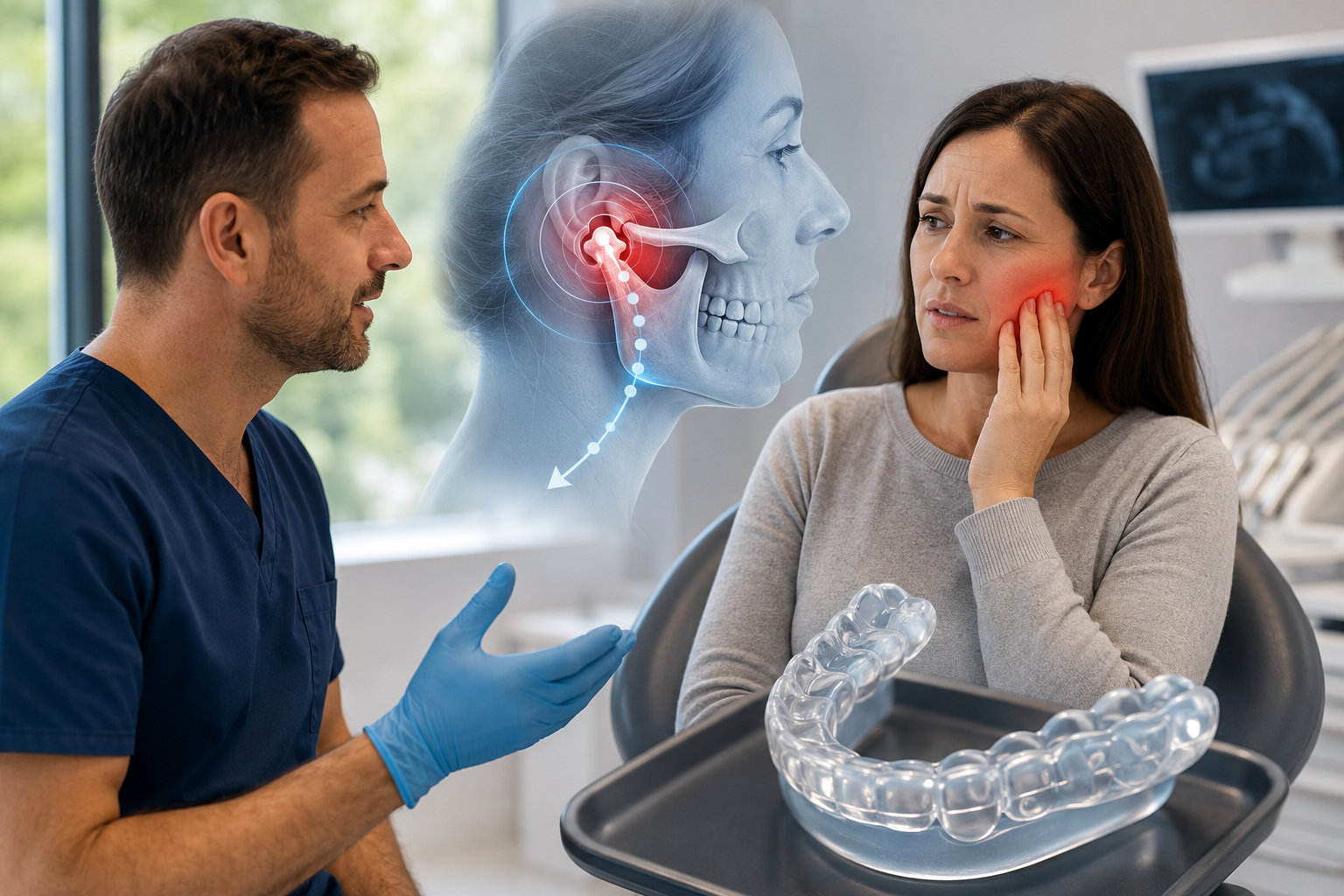
Orthotics for TMJ are custom dental appliances worn inside the mouth to reposition the jaw, reduce muscle tension, and relieve pressure on the temporomandibular joint. Think of them like a supportive brace, but for your jaw. They are designed by dentists to fit your bite precisely and address the mechanical problems causing your pain. TMJ orthotics are custom dental appliances designed to reposition the jaw, reduce muscle tension, and relieve pressure on the temporomandibular joint.

Difference Between TMJ Orthotics, Night Guards, and Splints

A lot of people use these terms interchangeably, but they are not the same thing. A night guard is a soft or hard plastic tray that protects teeth from grinding damage. A TMJ splint is an oral appliance that holds the jaw in a specific position. Orthotics for TMJ go one step further by using precise bite correction therapy to guide the jaw into a healthier, more stable alignment. Custom TMJ orthotics are individually crafted. They are not generic trays from a pharmacy shelf.

Why Dentists Recommend Custom Orthotic Therapy

Every jaw is different. A custom TMJ orthotic addresses your specific bite misalignment, joint pressure, and muscle tension patterns. Over-the-counter options cannot do that. That is why dentists trained in neuromuscular dentistry commonly recommend custom devices for TMJ disorder.

Do Orthotics for TMJ Really Work? (Evidence, Results and Patient Outcomes)

This is the question most patients ask first. Do orthotics for TMJ really work? The honest answer is: yes, for many patients, they are highly effective when properly fitted and consistently worn.

How Orthotics Reduce Jaw Muscle Tension and Spasms

Jaw tension is one of the main drivers of TMJ pain. When your bite is off, the muscles around your jaw overwork to compensate. Over time, this creates muscle spasms, tightness, and fatigue. A TMJ orthotic holds your jaw in a more relaxed position. This takes the strain off the muscles and allows them to decompress. Most patients report noticeable muscle relaxation within the first few weeks of use.

How They Improve Bite Alignment and Jaw Position

When your upper and lower teeth do not come together properly, your jaw compensates. This dental bite correction process, guided by a custom TMJ orthotic, gradually trains your jaw to rest in a healthier position. Improved jaw alignment reduces stress on the joint. It also takes pressure off surrounding muscles and nerves.

Why They Help with Teeth Grinding and Bruxism

Bruxism, or teeth grinding, often happens during sleep. It causes worn teeth, jaw soreness, and morning headaches. A TMJ mouth guard or repositioning orthotic acts as a buffer between your upper and lower teeth. It prevents direct grinding contact and also reduces the muscle activation that drives the grinding pattern.

How They Reduce TMJ Joint Pressure and Inflammation

The temporomandibular joint absorbs a lot of daily stress. When the joint is compressed due to bite misalignment, inflammation builds up. TMJ orthotics provide joint decompression by lifting the lower jaw slightly, creating space, and reducing that compression. Over time, this allows the joint tissue to recover and inflammation to settle. Patient Timeline: Most patients begin feeling some relief within the first two to four weeks. Significant improvement in chronic jaw pain and facial pain is commonly reported by month two or three.

How TMJ Orthotics Work Inside Your Mouth and Jaw System

Understanding how a TMJ splint functions helps patients stay committed to the process.

Jaw Stabilization and Muscle Relaxation

The appliance holds your jaw in a predetermined position. This eliminates the need for your muscles to constantly search for a comfortable bite. Muscles relax. Spasms reduce. Pain decreases.

Bite Repositioning for Long-Term Relief

Oral appliance therapy works by gradually introducing your jaw to a corrected bite position. Over weeks and months, your jaw learns this new position. The result is long-term bite correction that supports your joints and muscles.

Joint Decompression and Pressure Reduction

By slightly separating the upper and lower teeth, a custom dental appliance for TMJ creates space within the joint. This decompresses the disk and surrounding tissue, allowing healing to occur.

Protection from Nighttime Teeth Grinding

Wearing the device during sleep protects your teeth and reduces the muscle activity associated with bruxism. This leads to more restful sleep and fewer morning symptoms.

Neuromuscular Balance Improvement

Your jaw does not work in isolation. It connects to your neck, shoulders, and entire postural system. TMJ orthotics help restore neuromuscular balance, which can reduce referred pain in the face, head, and even the neck.

Types of Orthotics for TMJ Treatment (Dentist-Recommended Options)

Not every patient needs the same type of appliance. Dentists typically choose from several options based on your symptoms and jaw structure.

Stabilization Splints for Jaw Relaxation

These are the most commonly used TMJ splints. They cover all the teeth and prevent grinding while stabilizing the jaw. They work well for chronic jaw pain and general muscle tension.

Repositioning Orthotics for Bite Correction

These appliances guide the lower jaw into a new position. They are used when bite misalignment is a core part of the problem. They require close monitoring from a dentist.

Night Guards for Bruxism Protection

A TMJ mouth guard worn at night is a starting point for many patients. It protects teeth and helps with mild to moderate jaw symptoms. Physiotherapy for TMJ recovery can work alongside night guard therapy for better overall results.

Daytime TMJ Orthotic Appliances

Some patients wear a daytime device for additional jaw support. These are thinner and more discreet. They are recommended when daytime clenching is identified as a contributing factor.

Fully Custom Digital Dental Orthotics

Modern dental technology allows for digitally scanned, computer-designed orthotics for TMJ. These provide the most accurate fit and are increasingly becoming the gold standard in custom TMJ orthotic design.
Type Purpose Best For Wear Time
Stabilization Splint Muscle relaxation Chronic TMJ pain Night/day
Night Guard Teeth grinding protection Bruxism Night only
Repositioning Orthotic Bite correction Severe TMJ dysfunction Customized

TMJ Orthotic Treatment Timeline: What Happens Week by Week?

Knowing what to expect helps patients stay on track. Here is a realistic TMJ orthotic treatment timeline most patients follow.

Week 1 to 2: Adjustment Phase

Your jaw is adapting to the new appliance. You may feel mild soreness or a change in how your bite feels. This is normal. The device is beginning to shift your jaw position. Most patients find this discomfort manageable and temporary.

Week 3 to 6: Pain Reduction and Muscle Relaxation Begins

This is when many patients notice their first meaningful improvements. Jaw tension starts easing. Morning headaches may become less frequent. Sleep quality often improves as nighttime grinding decreases.

Month 2 to 3: Bite Stabilization and Jaw Balance Improves

By this stage, patients are typically experiencing consistent pain relief. The jaw is settling into its corrected position. Clicking and popping may reduce significantly. Daily function improves noticeably.

Long-Term Phase: Sustainable TMJ Pain Relief

With continued use and dentist monitoring, many patients achieve long-term jaw pain relief. Some patients transition to nighttime use only. Others may explore permanent bite correction options based on progress.

Benefits of Orthotics for TMJ Pain, Headaches, and Jaw Function

The reasons so many dentists recommend TMJ orthotic treatment come down to clear, consistent benefits.

Relief from Chronic Jaw Pain

This is the most reported benefit. By addressing the root cause of joint compression and muscle tension, orthotics for TMJ provide lasting jaw pain relief for many patients.

Reduced Headaches and Facial Pressure

Tension headaches that originate from jaw muscle activity often improve significantly with consistent orthotic use. Many patients report waking up without the facial pressure that used to greet them every morning.

Improved Sleep Quality

When you stop grinding your teeth and your jaw relaxes at night, your sleep improves naturally. Patients frequently report waking up feeling more rested after starting TMJ treatment.

Less Teeth Grinding at Night

A custom TMJ orthotic reduces both the physical contact of grinding and the muscle signals that cause it. This protects your teeth from long-term wear.

Better Jaw Movement and Flexibility

As muscle tension decreases and joint pressure lifts, jaw movement becomes freer and more comfortable. Opening your mouth wide, chewing, and speaking all improve.

Non-Surgical TMJ Treatment Option

This is one of the most important benefits. For many patients, orthotics for TMJ offer a way to achieve real relief without surgery, injections, or long-term medication use.

How Much Do Orthotics for TMJ Cost?

The cost of TMJ orthotics varies based on several factors. Understanding these helps patients plan their care.

What Affects TMJ Orthotic Pricing?

The type of appliance, the technology used, and the complexity of your case all influence cost. Digital scanning and advanced fabrication can increase cost but also improve precision and outcomes.

Custom vs Over-the-Counter Appliances

Over-the-counter TMJ mouth guards are cheaper upfront. However, they lack the precise fit of a custom TMJ orthotic. Generic devices may not address your specific bite issues and can sometimes worsen symptoms.

Dentist Expertise and Technology Used

Dentists trained specifically in TMJ disorder and neuromuscular dentistry may charge more. That expertise directly impacts the accuracy of your diagnosis and appliance design.

Insurance Coverage Possibilities

Some dental and medical insurance plans may cover part of the cost of oral appliance therapy, especially if bruxism or sleep issues are documented. Always check with your provider.

Who Is a Good Candidate for TMJ Orthotic Therapy?

Many patients with the following symptoms are good candidates for custom TMJ orthotic treatment: Chronic jaw pain that does not go away on its own. Jaw clicking or popping with movement. Bruxism or nighttime teeth grinding. Morning headaches above the temples or around the jaw. Jaw locking episodes when opening or closing the mouth. Facial muscle fatigue after eating or talking. If you recognize several of these symptoms, a TMJ evaluation with a dental specialist is a worthwhile next step.

Are There Any Side Effects of TMJ Orthotics?

TMJ orthotics are generally safe and well-tolerated. However, patients should know what to expect.

Temporary Jaw Discomfort

In the first week or two, some soreness or stiffness is common. This is the jaw adapting to a new position.

Bite Adjustment Sensation

You may feel that your teeth do not come together the same way they did before. This is expected and usually resolves as your jaw settles.

Increased Saliva in Early Days

Some patients notice extra saliva production in the first few days of wearing the appliance. This typically subsides quickly.

Short Adaptation Period

Most patients adapt to wearing their TMJ splint within two to three weeks. Massage therapy for muscle tension alongside orthotic use can help ease the adaptation process.

Orthotics for TMJ vs Night Guards: What is the Difference?

This comparison comes up often. Here is a clear breakdown.

Purpose and Treatment Goal Differences

A night guard protects teeth from grinding. Orthotics for TMJ go further. They address the underlying jaw alignment and joint mechanics that cause pain in the first place.

Customization Level Comparison

Both can be custom-made. But a custom TMJ orthotic is designed with precise jaw position data, often using digital scanning and bite analysis. A standard night guard is typically based only on dental impressions.

Long-Term Effectiveness

For mild bruxism, a night guard may be sufficient. For TMJ disorder with bite misalignment, jaw pain, and joint compression, a proper TMJ orthotic provides better long-term outcomes.

Dentist Recommendation Factors

Your dentist will recommend based on your diagnosis. Severe TMJ dysfunction almost always calls for a full orthotic approach rather than a basic guard.

What Results Can You Expect from Orthotics for TMJ?

Realistic expectations support better outcomes. Here is what how long TMJ orthotics take to work and what improvement typically looks like. Most patients see early symptom reduction within two to four weeks. Pain reduction of 50 to 70% is commonly reported within the first three months. Jaw mobility improves alongside pain reduction. Headache frequency drops as muscle tension decreases. Grinding is often significantly reduced within the first month of nightly use. Daily comfort improves steadily from month one through month three and beyond.

Can Orthotics for TMJ Be Combined with Other Treatments?

Absolutely. TMJ treatment is often most effective when it uses a multi-approach strategy.

Physical Therapy for Jaw Muscles

Strengthening and stretching the muscles around the jaw supports what the orthotic is doing at the joint level. The two approaches complement each other well.

Jaw Exercises and Stretching

A dentist or physical therapist may prescribe specific jaw exercises to improve mobility and reduce tension alongside orthotic use.

Stress Management Techniques

Stress is one of the biggest drivers of jaw clenching and bruxism. Reducing stress through mindfulness, breathing exercises, or counseling can amplify the benefits of your TMJ orthotic.

Laser Therapy for TMJ Pain

Low-level laser therapy is sometimes used alongside oral appliance therapy to reduce inflammation in the joint and surrounding soft tissues.

Posture Correction

Poor posture places extra strain on the jaw and neck. Chiropractic care for jaw alignment can address postural imbalances that contribute to TMJ disorder and help your orthotic therapy deliver better results.

Frequently Asked Questions

Do orthotics for TMJ really work for jaw pain and TMJ disorder?

Yes, for many patients, orthotics for TMJ are highly effective. They help improve jaw alignment, reduce muscle tension, and relieve joint compression. Results are best when the appliance is custom-fitted and used consistently under dental supervision.

How long does it take for TMJ orthotics to show results?

Most patients begin to notice improvement within 2 to 4 weeks of use. Significant relief from jaw pain, headaches, and muscle tension is often reported within 2 to 3 months of consistent treatment.

Are TMJ orthotics painful to wear at first?

TMJ orthotics are not painful, but some patients may experience mild soreness or pressure during the initial adjustment period. This is normal and usually improves within 1 to 2 weeks as the jaw adapts.

Can TMJ orthotics be worn all day or only at night?

Some TMJ orthotics are designed for nighttime use only, while others may be prescribed for daytime wear depending on the severity of symptoms. Your dentist will recommend the correct wear schedule based on your condition.

Are TMJ orthotics better than TMJ surgery?

For most patients, orthotics for TMJ are a preferred non-surgical treatment option. Surgery is typically reserved for severe structural joint problems, while orthotics offer effective symptom relief without invasive procedures.

Do TMJ orthotics permanently cure TMJ disorder?

TMJ orthotics help manage and significantly reduce symptoms such as jaw pain and dysfunction. Some patients achieve long-term stability, while others may need ongoing or occasional use depending on their condition.

Are TMJ orthotics covered by dental or medical insurance?

Some insurance plans may partially cover TMJ orthotics, especially when bruxism or sleep-related jaw issues are documented. Coverage varies, so it is important to confirm with your insurance provider directly.

What happens if I stop using TMJ orthotics?

If orthotic use is stopped too early, symptoms such as jaw pain, clicking, or headaches may gradually return, especially if the underlying bite imbalance has not been fully corrected. Always follow your dentist’s guidance before discontinuing treatment.

Key Takeaways

Orthotics for TMJ are a non-surgical TMJ treatment option used widely by dental specialists. They help restore jaw alignment and reduce muscle tension and joint pressure. Results typically improve steadily over weeks and months. They work best when designed and monitored by a trained dentist. For many patients dealing with TMJ disorder, they offer meaningful, lasting jaw pain relief. Acupuncture for chronic jaw pain is another complementary approach some patients find helpful alongside their orthotic therapy.

Final Thoughts

If you have been living with jaw pain, clicking, headaches, or grinding and nothing has worked, orthotics for TMJ may be the missing piece of your treatment plan. They are not an overnight solution. They require consistency, professional guidance, and patience. But for the many patients who commit to the process, they offer genuine, long-term jaw pain relief without surgery or heavy medication. The first step is getting properly evaluated. A trained dental professional can assess your bite, your joint health, and your symptoms to determine if a custom TMJ orthotic is the right fit for you. Your jaw health matters. Taking action now means fewer painful mornings, less grinding, and a better quality of life ahead.
Arul Prabin
Arul Prabin
theactiverehab.com/

With over 13 years of experience in healthcare, Arul combines a Bachelor of Nursing from India and Massage Therapy training from Oxford College, Mississauga.

Leave a Reply

Your email address will not be published.Required fields are marked *