
What Is Reflexology?
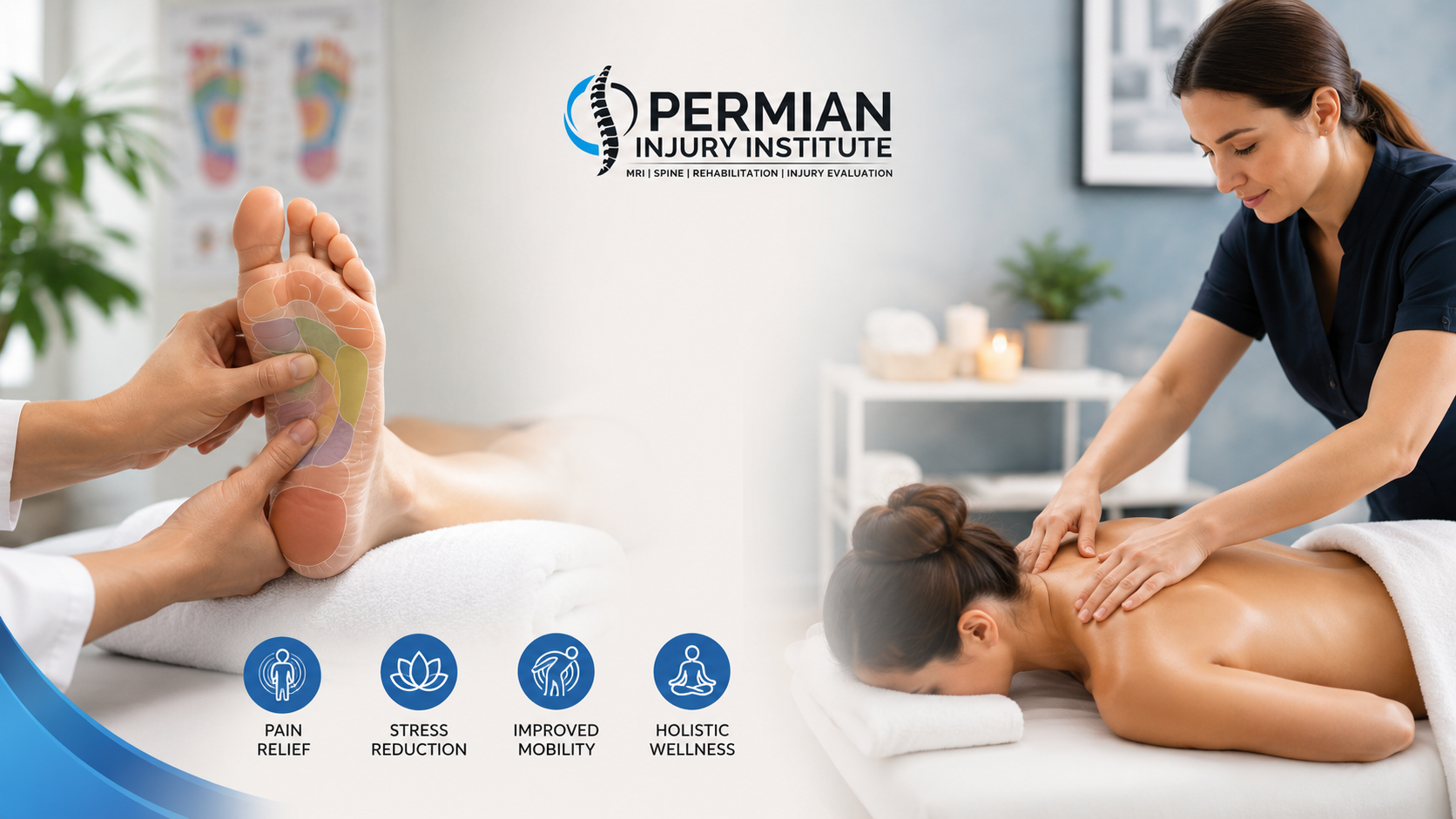
Reflexology is a therapeutic practice based on the idea that specific points on the feet, hands, and ears correspond to different organs and systems within the body. Practitioners apply targeted pressure to these reflex points, aiming to promote relaxation and support overall wellness. A typical reflexology session lasts between thirty and sixty minutes and usually focuses primarily on the feet, though hand and ear reflexology are also common. Sessions are generally performed with the client fully clothed, seated or reclined comfortably.How Reflexology Affects the Body
According to reflexology theory, pressure points on the feet and hands map to corresponding organs and body systems. Applying pressure to these points is believed to stimulate the nervous system and encourage a relaxation response throughout the body.Potential Benefits of Reflexology
Reflexology benefits commonly reported by clients include reduced stress, improved relaxation, and a general sense of calm. Some people also report better sleep quality and a feeling of improved circulation in the feet and lower legs following a session.What Is Massage Therapy?
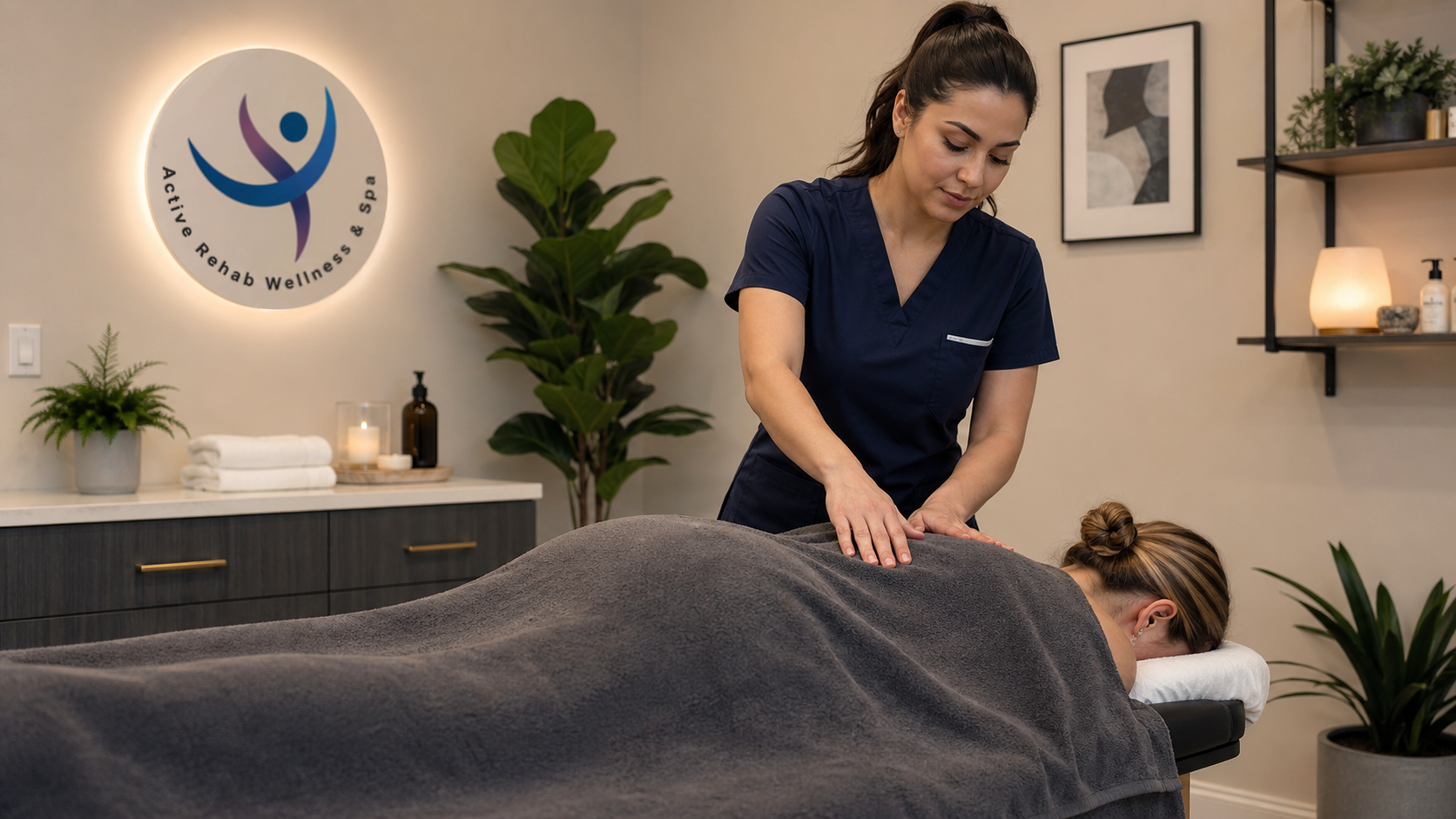
Massage therapy involves the manipulation of muscles and soft tissue using hands, fingers, and sometimes specialized tools. Unlike reflexology, massage therapy works directly on the area experiencing tension or pain, rather than through reflex points elsewhere in the body. A licensed massage therapist assesses the client’s specific concerns before selecting techniques suited to relieve muscle tension, improve blood circulation, and support physical recovery. Sessions typically range from thirty to ninety minutes depending on the areas being treated.Swedish Massage
Swedish massage uses long, flowing strokes combined with kneading and circular movements. It is one of the most common forms of massage therapy and is well suited for general relaxation and mild muscle tension relief.Deep Tissue Massage
Deep tissue massage applies firmer, more concentrated pressure to reach deeper layers of muscle and connective tissue. This technique is often used for chronic muscle tightness or areas with persistent tension.Sports Massage and Other Types
Sports massage focuses on muscle groups used during athletic activity, helping support muscle recovery and reduce soreness after intense training. Other specialized types, such as prenatal massage and trigger point therapy, target specific needs beyond general relaxation.Reflexology vs Massage: Key Differences
When comparing reflexology vs massage, the core distinction lies in technique and treatment area. Reflexology targets specific points on the feet and hands, while massage therapy works broadly across muscles and soft tissue.| Factor | Reflexology | Massage Therapy |
| Purpose | Relaxation, stress relief, holistic balance | Muscle tension relief, pain management, recovery |
| Treatment Area | Feet, hands, ears | Full body or targeted muscle groups |
| Pressure Used | Light to moderate, point-specific | Light to firm, broad muscle work |
| Session Duration | 30–60 minutes | 30–90 minutes |
| Best For | Stress, relaxation, general wellness | Muscle pain, tightness, physical recovery |
| Average Cost | $45–$90 per session | $60–$130 per session |
| Evidence Support | Limited clinical evidence, mostly anecdotal | Stronger evidence for pain and tension relief |
| Relaxation Benefit | High | Moderate to high |
Benefits of Reflexology
Reflexology is primarily valued for its relaxation and stress-reduction effects rather than direct physical pain relief. Clients often report a calming experience that helps lower daily stress levels. Many people use reflexology as part of a broader self-care routine, noting improved well-being and a sense of balance after regular sessions. Some also report better sleep quality, along with mild support for circulation in the feet and lower legs following treatment.Benefits of Massage Therapy
Massage therapy offers more direct physical benefits, particularly for muscle tension relief and pain management. By working directly on affected muscles, massage therapy can help reduce tightness and improve mobility. Athletes and active individuals often use massage therapy to support muscle recovery and reduce soreness after training. Office workers and those with chronic tension also benefit from massage therapy’s ability to target specific areas of discomfort, such as the neck, shoulders, and lower back.Reflexology or Massage for Pain Relief
When it comes to pain relief therapy, massage therapy generally provides more targeted results than reflexology. Massage directly addresses muscle tightness in painful areas, making it a common choice for back pain, neck pain, and headaches caused by muscle tension. Reflexology, while not typically used as a primary pain relief therapy, may offer some indirect benefit through general relaxation and stress reduction, which can sometimes ease tension-related discomfort. For chronic pain conditions, massage therapy combined with other treatments often produces more consistent results, though reflexology can serve as a complementary, calming addition to an overall pain management plan. Those dealing with persistent back or neck discomfort may benefit from combining massage with registered massage therapy services designed specifically around musculoskeletal pain relief.Reflexology or Massage for Stress and Anxiety
Both therapies can support stress management, though through different mechanisms. Reflexology’s gentle, repetitive pressure on reflex points is thought to activate a relaxation response in the nervous system, helping reduce feelings of anxiety and mental tension. Massage therapy also triggers a relaxation response, particularly through techniques like Swedish massage, which combines physical tension release with a calming sensory experience. For general mental wellness support, either reflexology or massage can be effective, with the better choice often coming down to personal preference and whether physical tension is also a concern.Who Should Choose Reflexology?
Reflexology tends to suit people primarily seeking relaxation rather than targeted muscle pain relief. Ideal candidates include those dealing with general daily stress, individuals who prefer a gentler, non-invasive treatment, and people looking to incorporate a calming wellness ritual into their routine. It can also appeal to those who are uncomfortable with more hands-on, full-body treatment and prefer a session focused solely on the feet or hands.Who Should Choose Massage Therapy?
Massage therapy is often the better choice for athletes recovering from training, office workers dealing with chronic neck and shoulder tension, and anyone experiencing specific areas of muscle tightness or soreness. Individuals focused on physical recovery, whether from exercise, injury, or repetitive strain, generally benefit more from massage therapy’s direct, hands-on approach to addressing soft tissue concerns.Can You Combine Reflexology and Massage?
Yes, combining reflexology and massage is a common and complementary approach. Many people use massage therapy to address physical muscle tension while incorporating reflexology sessions for additional relaxation and stress relief. A reasonable approach for those interested in both is alternating sessions, such as massage therapy every two to three weeks paired with reflexology in between for ongoing relaxation support. This combined approach allows clients to address both physical tension and overall stress management without overloading either practice.Risks and Safety Considerations
Both therapies are generally considered safe for most healthy adults, but certain situations call for caution. During pregnancy, certain reflexology points and massage techniques should be avoided, making it important to seek a practitioner experienced in prenatal care. Individuals with certain medical conditions, such as blood clotting disorders, recent surgeries, or specific cardiovascular conditions, should consult a healthcare provider before beginning either therapy. Open wounds, infections, or unexplained pain should also be evaluated by a medical professional before scheduling a session, since both reflexology and massage are complementary therapies rather than substitutes for medical treatment.How Much Do Reflexology and Massage Sessions Cost?
Pricing for both therapies varies based on location, session length, and practitioner experience. Reflexology sessions typically cost between $45 and $90 for a 30 to 60 minute appointment. Massage therapy sessions generally range from $60 to $130 per hour, with deep tissue and specialized techniques like sports massage sometimes priced at the higher end of that range. Factors affecting cost include the practitioner’s experience level, the clinic’s location, and whether the session includes additional techniques beyond a standard treatment. In terms of value, massage therapy often provides more direct physical benefit per session for those dealing with muscle tension or pain, while reflexology offers a lower-cost option focused primarily on relaxation.Reflexology or Massage: Which One Should You Choose?
Choose Reflexology If:
- You’re mainly looking for stress relief and relaxation
- You prefer a gentler, non-invasive treatment
- You want a shorter session focused on the feet or hands
- You enjoy incorporating calming wellness rituals into your routine
Choose Massage If:
- You have specific muscle tension or soreness
- You’re recovering from exercise, training, or physical activity
- You experience chronic neck, shoulder, or back tightness
- You want a treatment with stronger evidence for pain relief
Choose Both If:
- You want comprehensive physical and mental wellness support
- You’re managing both stress and muscle tension
- You enjoy variety in your self-care routine
- You want to address recovery and relaxation on alternating schedules