
Why You Should Never Ignore Pain After a Car Accident
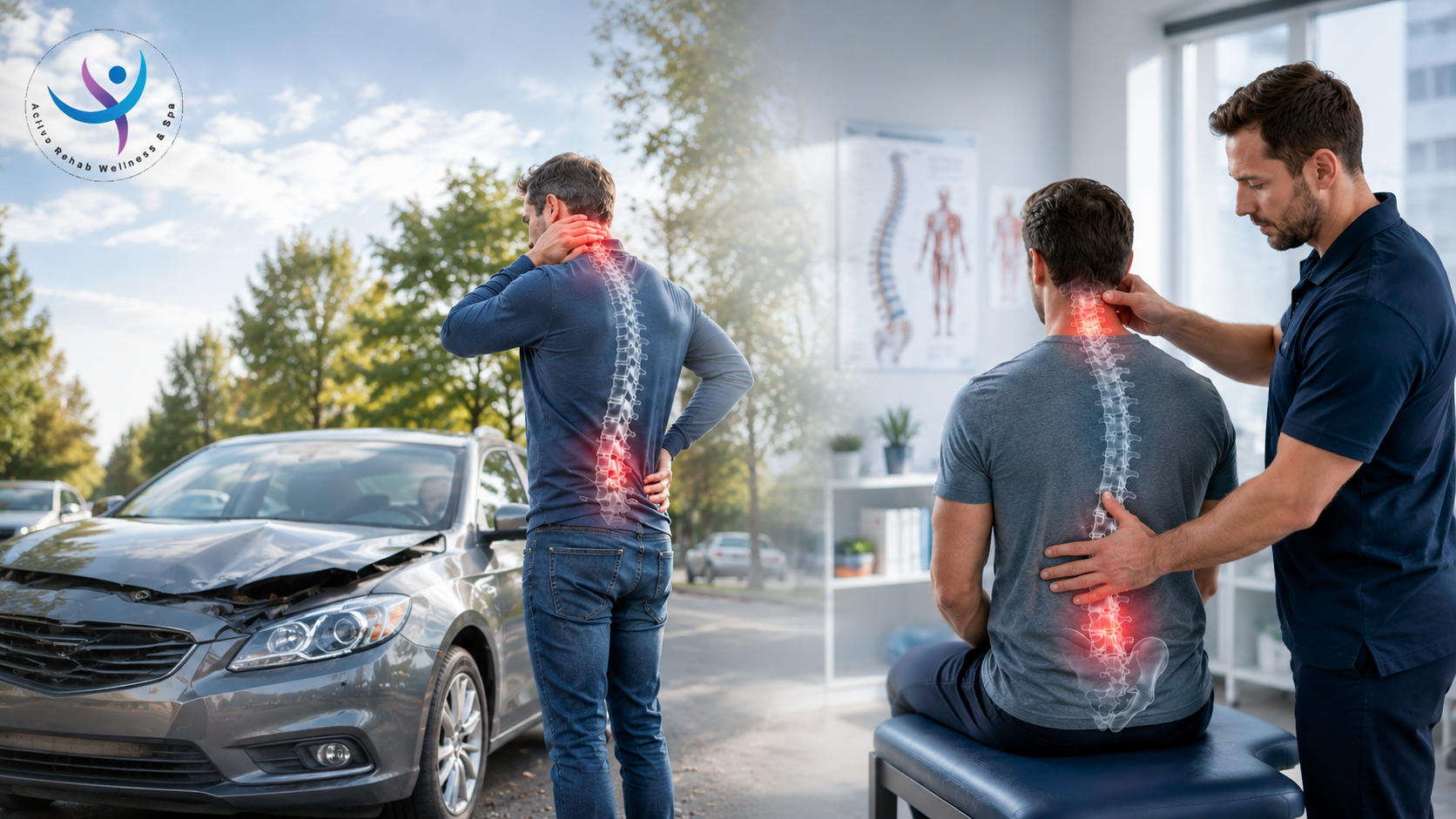
Many people walk away from a collision feeling shaken but physically fine. This is one of the most common and dangerous misconceptions about car accident injuries. The reality is that some of the most significant musculoskeletal injuries do not produce obvious pain in the first hours after impact. When your body experiences sudden trauma, it releases adrenaline. This hormone suppresses pain signals as part of your natural stress response. As a result, soft tissue injuries, spinal misalignment, and nerve compression can go completely unnoticed until the adrenaline wears off. By then, inflammation has already begun building in the affected tissues. Ignoring pain or waiting to see if it goes away on its own allows these injuries to progress. Scar tissue starts forming in damaged ligaments and muscles. Spinal misalignments that could have been corrected early become harder to address. What begins as mild stiffness can develop into chronic pain that limits your daily function for months or years. Early chiropractic evaluation after a motor vehicle accident gives you the best chance of identifying hidden injuries before they worsen and beginning a personalized treatment plan while your body is most responsive to conservative care.How Soon Should You See a Chiropractor After Car Accident?
You should see a chiropractor within 24 to 72 hours of a car accident, even if you feel no pain. This timeframe gives your chiropractor the best opportunity to assess acute injuries, document their connection to the collision, and begin treatment before inflammation peaks. Waiting a few days is not ideal, but it is still far better than waiting weeks. However, the longer you delay, the more your body compensates for the injury by tightening surrounding muscles and shifting your posture. These compensations create secondary problems that extend your recovery timeline. Delayed treatment also creates complications for insurance claims. In Ontario, documenting your injuries promptly after a collision strengthens your case and ensures your treatment is properly connected to the accident in your medical records. Many patients in Mississauga and surrounding communities including Oakville, Brampton, and Etobicoke have found that early chiropractic evaluation supports both their physical recovery and their insurance documentation process. If your symptoms are severe immediately after the accident, visit an emergency room first. Once serious conditions like fractures or internal injuries are ruled out, chiropractic care can begin as part of your broader recovery plan.12 Signs You Should See a Chiropractor After Car Accident Immediately
Persistent Neck Pain or Stiffness
Neck pain is the most common symptom following a rear-end collision. The cervical spine absorbs enormous force during impact, and the resulting strain on muscles, ligaments, and vertebrae often produces stiffness that worsens over the first 48 hours. If your neck feels tight, sore, or difficult to turn, this is a clear signal that a chiropractic evaluation is needed.Lower Back Pain That Does Not Improve
The lumbar spine is highly vulnerable during vehicle collisions. Compression forces and sudden jarring motion can misalign vertebrae, strain supporting muscles, and damage spinal discs. Lower back pain that persists beyond a day or two after an accident should not be dismissed as ordinary soreness.Frequent or Worsening Headaches
Post-accident headaches often originate in the cervical spine rather than the head itself. Tension in the neck muscles and misalignment of the upper vertebrae refer pain upward into the skull. If you are experiencing headaches that began after your collision, a chiropractor can assess whether cervical spine dysfunction is the underlying cause.Pain Between the Shoulders
The thoracic spine and the muscles between the shoulder blades frequently absorb impact forces during a collision. Aching, burning, or tightness in this area suggests soft tissue injury or joint dysfunction that needs professional assessment.Tingling or Numbness in Your Arms or Legs
Tingling or numbness following a car accident indicates nerve involvement. Nerve compression from a herniated disc, spinal misalignment, or swollen soft tissue can produce these sensations along the arms, hands, legs, or feet. This symptom warrants prompt evaluation, as untreated nerve irritation can worsen over time.Limited Range of Motion
If turning your head, bending forward, or reaching overhead feels restricted or painful after the accident, your range of motion has been affected. This restriction typically points to joint dysfunction, muscle spasm, or disc injury in the cervical or lumbar spine.Muscle Spasms After the Accident
Involuntary muscle tightening or spasms following a collision indicate that your body is guarding injured tissue. While spasms are a protective response, they also compress joints and restrict circulation, slowing the healing process. Chiropractic care and soft tissue therapy can help release these patterns effectively.Dizziness or Balance Problems
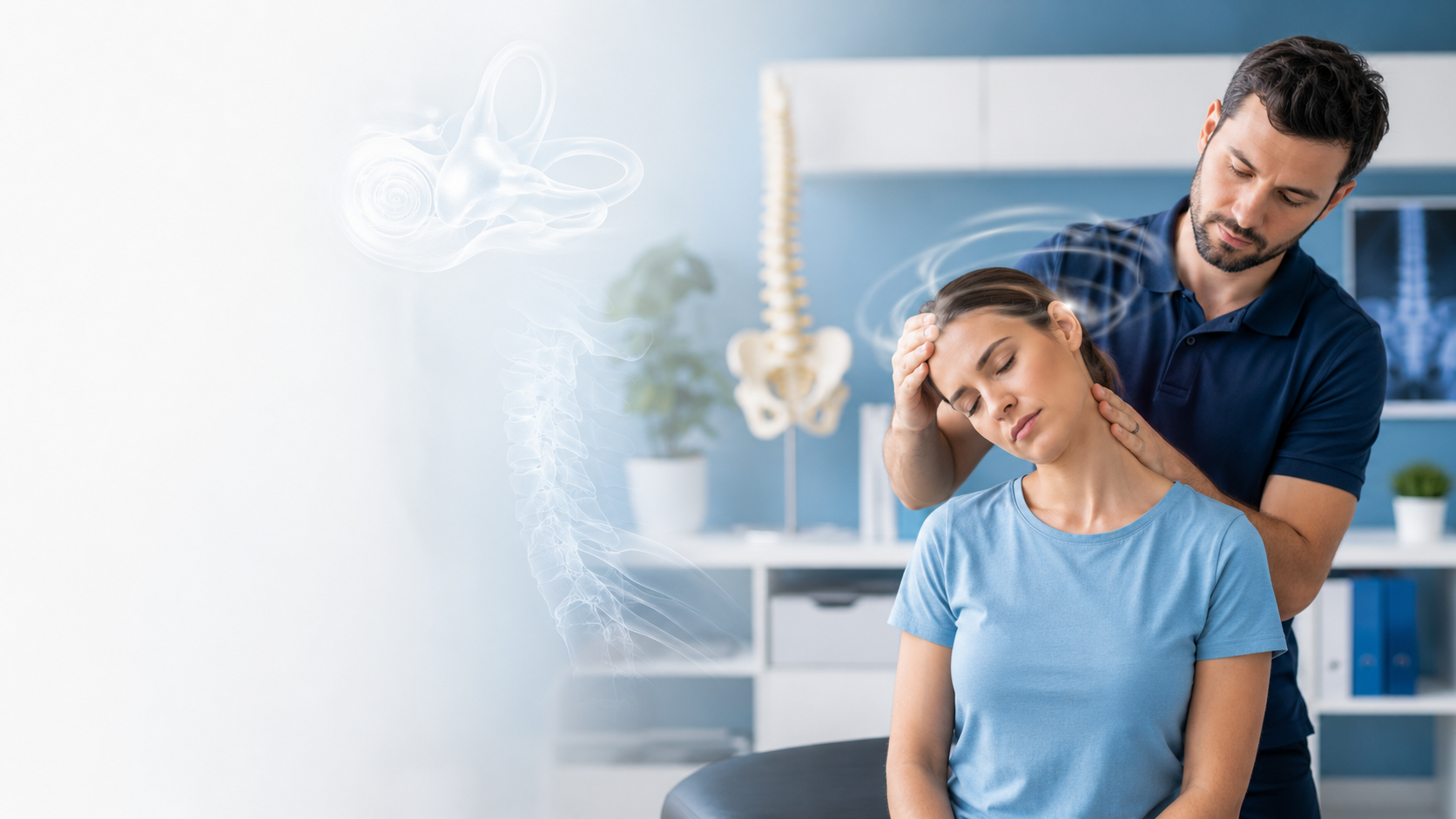
Dizziness following a car accident can stem from cervical spine injury, inner ear disruption, or concussion. A chiropractor evaluates the relationship between spinal alignment and vestibular function and can identify whether musculoskeletal factors are contributing to your balance problems.Pain That Appears Days After the Crash
Delayed pain is not a sign that your injuries are minor. It is a well-recognized pattern in auto accident injuries, particularly for soft tissue damage and whiplash. If new pain develops two, three, or even seven days after your collision, seek chiropractic evaluation immediately and document that these symptoms began following the accident.Pain While Sitting, Standing, or Walking
Discomfort during basic daily activities after a collision suggests that your spinal alignment or supporting soft tissue has been compromised. Pain during sitting often points to lumbar disc or sacroiliac joint involvement, while pain during walking may indicate hip, pelvis, or lower spinal dysfunction.Radiating Pain Into the Arms or Legs
Pain that travels from your neck down your arm, or from your lower back down your leg, suggests nerve root compression. In the lumbar spine, this pattern often indicates sciatic nerve involvement. In the cervical spine, it suggests pressure on a nerve root exiting the neck. Both conditions respond well to early chiropractic intervention combined with targeted rehabilitation.Difficulty Sleeping Because of Pain
If accident-related pain is disrupting your sleep, your body is not getting the rest it needs to heal. Sleep deprivation slows tissue repair and increases pain sensitivity. Chiropractic care that reduces inflammation and restores spinal alignment often produces significant improvements in sleep quality as a secondary benefit.Hidden Injuries a Chiropractor Can Detect After a Car Accident
Whiplash
Whiplash is caused by the rapid forward and backward motion of the neck during a collision. It stretches and tears the muscles and ligaments of the cervical spine, often without any visible external injury. Symptoms including neck stiffness, headaches, and shoulder pain can take 24 to 72 hours to fully develop.Soft Tissue Injuries
Muscles, tendons, and ligaments throughout the spine and surrounding joints can be strained or torn during a collision without showing up on standard X-rays. A thorough physical examination by an experienced chiropractor identifies these injuries through palpation, range-of-motion testing, and neurological assessment.Herniated or Bulging Discs
The sudden compression forces of a vehicle collision can push intervertebral disc material out of position, causing a bulging or herniated disc. These injuries create nerve compression and radiating pain that may not appear immediately. MRI imaging is often recommended to confirm disc involvement when symptoms suggest it.Spinal Misalignment
Vertebral misalignment following a collision disrupts nerve communication, restricts joint movement, and creates muscular imbalance throughout the spine. Restoring proper spinal alignment through chiropractic adjustment is a central component of post-accident recovery.Joint Injuries
The facet joints of the spine, along with the shoulder, hip, and knee joints, can be damaged during a collision. Joint dysfunction produces localized pain, swelling, and restricted movement that responds well to manual therapy and targeted rehabilitation exercises.Nerve Compression
Swelling, disc displacement, and spinal misalignment following a car accident can all compress nearby nerves. Early identification and treatment of nerve compression prevents the development of chronic nerve pain and functional limitations. Patients managing soft tissue injuries alongside muscle tension often benefit from registered massage therapy as a complementary treatment that supports circulation, reduces spasm, and accelerates tissue healing.Common Chiropractic Treatments for Car Accident Injuries
Spinal Adjustments
Chiropractic spinal adjustment restores proper vertebral alignment, reduces pressure on surrounding nerves, and improves joint mobility throughout the cervical, thoracic, and lumbar spine. Techniques are selected based on injury type and severity, with gentler mobilization approaches used during the acute phase of recovery.Soft Tissue Therapy
Manual therapy targeting muscles, ligaments, and tendons reduces tension, breaks down early scar tissue formation, and improves local circulation. Soft tissue therapy is commonly applied to the neck, upper back, and lower back following collision-related injuries.Rehabilitation Exercises
Guided therapeutic exercises rebuild strength in the muscles that support the spine, restore functional movement patterns, and reduce the risk of re-injury. Exercise programs are progressed gradually based on the patient’s pain levels and physical capacity.Stretching Programs
Structured stretching improves flexibility in the cervical and lumbar spine, reduces muscle tightness, and helps restore the full range of motion lost following the accident.Postural Correction
Car accident injuries frequently disrupt normal posture by creating imbalances in the muscles and ligaments that maintain spinal position. Postural correction strategies address these imbalances and support long-term spinal stability.Pain Management Techniques
Adjunct therapies including cold laser treatment, ultrasound therapy, and electrical stimulation help manage acute pain and inflammation during the early stages of recovery without relying on medication.Benefits of Seeing a Chiropractor Soon After a Car Accident
Seeking prompt chiropractic care after a motor vehicle accident delivers measurable benefits that extend well beyond pain relief.- Reduces acute and chronic pain through non-surgical, drug-free treatment
- Restores spinal mobility and functional range of motion
- Improves spinal alignment and corrects postural compensations
- Decreases inflammation through manual therapy and mobilization techniques
- Supports faster tissue healing with targeted rehabilitation
- Lowers the risk of acute injuries progressing into chronic pain conditions
- Creates professional medical documentation that supports insurance claims
- Provides a personalized recovery plan built around your specific injuries and goals
Tips to Recover Faster After a Car Accident
Following a few practical strategies alongside your chiropractic treatment plan can meaningfully accelerate your recovery and reduce the risk of setbacks.- Stay gently active within the limits recommended by your chiropractor. Complete bed rest slows healing and increases stiffness.
- Follow your treatment plan consistently. Missing appointments extends your recovery timeline and allows compensatory patterns to develop.
- Maintain good posture during sitting and sleeping. Poor positioning places additional stress on injured spinal structures.
- Apply ice during the first 48 to 72 hours to manage acute inflammation. Transition to heat therapy once the acute phase has passed, as directed by your provider.
- Stay well hydrated to support disc health, tissue repair, and overall circulation.
- Prioritize adequate sleep. Your body heals most effectively during rest, and sleep deprivation increases pain sensitivity.
- Communicate all new or changing symptoms to your chiropractor so your treatment plan can be adjusted appropriately.